How a UBS team head uncovered hidden retention risk—and where to act

Following a restructuring, OpenElevator helped leadership see where what employees valued was less aligned with their work environment, which manager–employee relationships needed attention, and where collaboration was likely to be harder.

The findings gave the team head a clearer basis for retention action, internal moves and backup planning.

The Situation

Leadership had a visibility problem

Following a restructuring, UBS team heads inherited teams that had changed significantly, including people working across different locations.

Performance data could show who was delivering. It could not show what individual employees valued, whether particular manager–employee relationships needed attention, or where collaboration across the team might be harder.

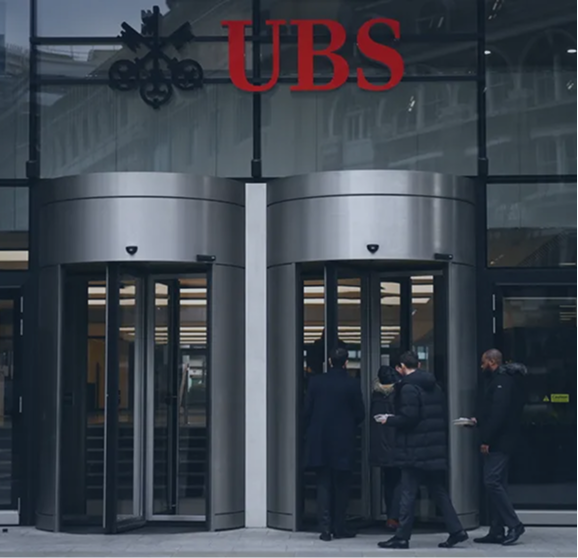
UBS Image

The Challenge

The issue wasn’t lack of concern. It was having to make important people decisions without enough visibility.

One team head put the challenge this way:

“I didn’t know them myself, much less how they worked with each other. Under the previous head, the team had exceptionally high turnover, which was a source of concern and on top of that, I also had a new boss, and a very short runway to deliver results fast!”

What OpenElevator Revealed

The scan showed where leadership needed a closer look

Across the 34-person team, the assessment surfaced three different kinds of information:

Modern glass corporate building exterior against a clear blue sky, symbolizing a forward-thinking and transparent company culture that attracts and retains top talent

Employee needs. Nine people showed weaker alignment between what they valued and what they were experiencing at work.

Manager–employee fit. Six working relationships with the team head fell below OpenElevator’s preferred Interpersonal Alignment threshold.

Team collaboration. The results showed meaningful differences in how naturally people were likely to work together—information leadership could use when considering working partnerships, team changes and internal moves.

Three employees stood out with the strongest combination of retention and relationship-risk signals.

The point was not that a score could predict a resignation. The point was that leadership could see where to investigate before a resignation made the problem obvious.

What the Findings Changed

Different risks called for different responses

OpenElevator did not produce one blanket recommendation to “increase engagement.”

At the team level, the UBS assessment recommended more consistent management recognition, clearer communication about the organizational outlook to reinforce job security, and a review of the total compensation offering.

At the individual and relationship level, the appropriate response depended on what the data showed. For one person, the priority might be recognition or development. For another, it might be improving the working relationship with the manager. In another case, an internal move or stronger backup coverage could make more sense than an aggressive retention effort.

The same intervention would not suit everyone—and a strained working relationship did not automatically mean the manager was the problem.

Focus Attention Where Risk Signals Are Strongest

Strengthen Specific Working Relationships

Circle Icon

Match the Response to the Situation

The result

The goal wasn’t to prevent every resignation. It was to see the risk early enough to make a conscious decision about it.

A weaker alignment result is a signal to investigate—not a guarantee that someone will resign.

Leadership could decide whether to address an employee’s unmet priorities, strengthen a particular working relationship, consider an internal move, or simply make sure the team had adequate backup coverage.

The at-risk department subsequently stabilized.

More importantly, leadership no longer had to wait for a resignation to discover where attention might have been needed.

The biggest change wasn’t faster reaction. It was earlier awareness.

Glass Window

What would you do differently with this view of your team?

Start with a complimentary scan for one team of up to 10 people. Each participant takes about five minutes.

You’ll see where retention risk may be concentrated, which manager–employee relationships warrant attention, where collaboration may require more effort, and what people on the team value.

Your scan includes a private leader debrief and practical recommendations tied to your team’s findings.

Complimentary for one team of up to 10 people · 5 minutes per person · No team meetings required · Private leader debrief included